












Taekwondo Head Protection Under the Spotlight: Industry Still Lacks a Unified Safety Standard
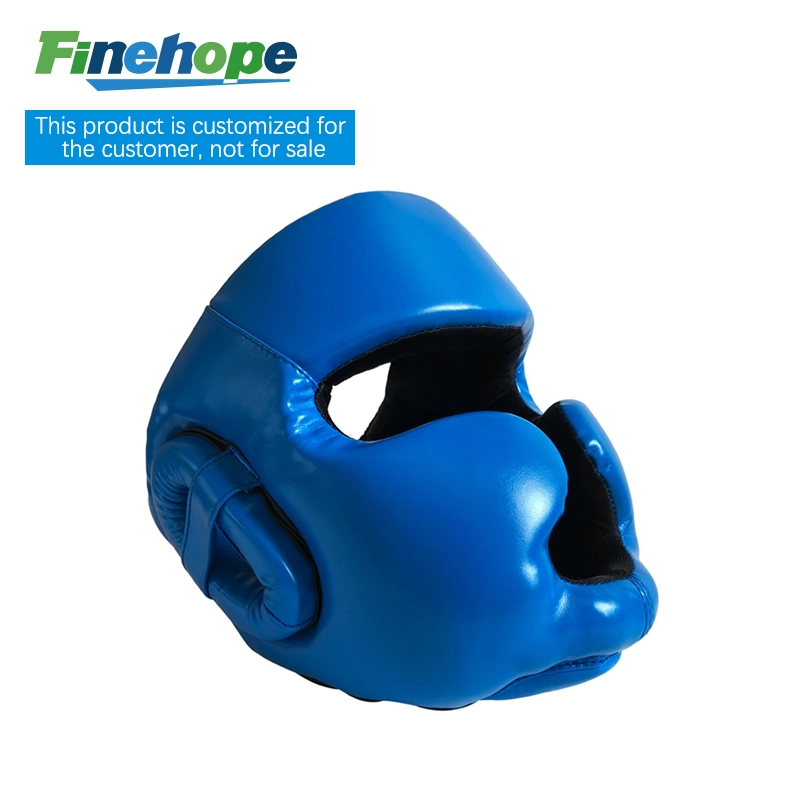
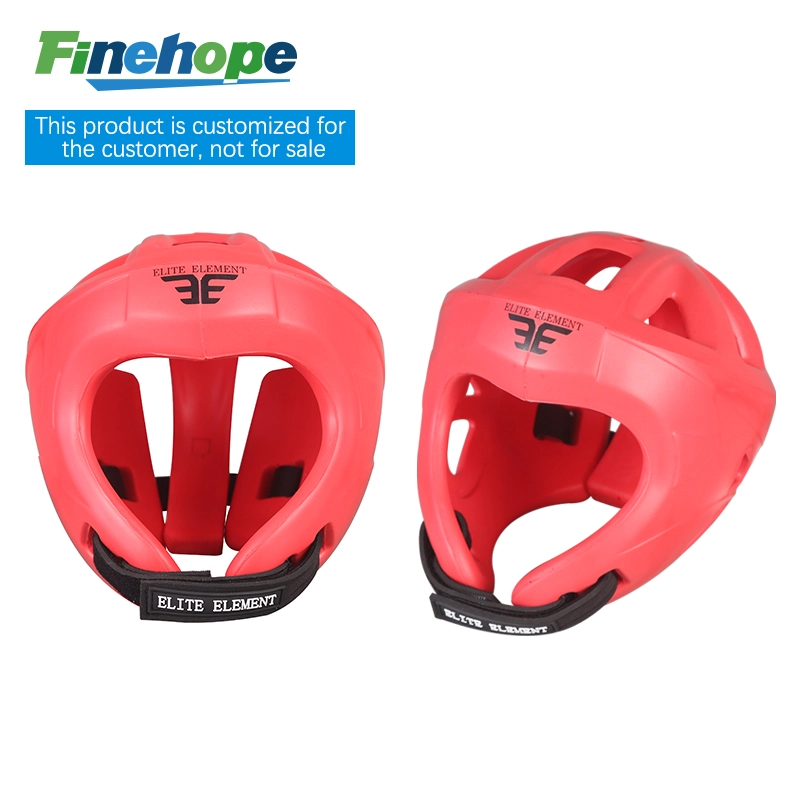
As a combat sport where scoring is largely built around kicks to the head, taekwondo places head protection at the center of athlete safety — both in training and competition. A recent study published in the academic journal Sports Engineering has brought renewed attention to how headgear performs under impact, and to the absence of a consistent testing benchmark across the industry.
Key Finding: No Unified Test Standard Yet Exists
Researchers evaluated four commonly used taekwondo headgear models using a NOCSAE-compliant instrumented headform and a drop-tower impact rig, recording linear acceleration during impact and calculating a Gadd Severity Index to assess protective performance and durability. The study found that while concern over head injury risk in taekwondo continues to grow, the industry still has no unified test standard or performance threshold, and protective performance varies noticeably from brand to brand.
Among the tested samples, one model did not disclose its material composition; the remaining three were built from nitrile butadiene rubber (NBR) foam padding with a polyurethane (PU) coating — the material combination most widely used in the market today.
Why PU Has Become the Industry's Material of Choice
Polyurethane has largely replaced traditional leather as the preferred outer-shell material, for a few practical reasons:
- Abrasion and tear resistance — PU holds up well under repeated friction and stretching, making it suited to frequent training and competition use.
- Consistent feel and appearance — PU replicates the look and texture of genuine leather while being easier to clean and maintain, reducing sweat buildup and bacterial growth.
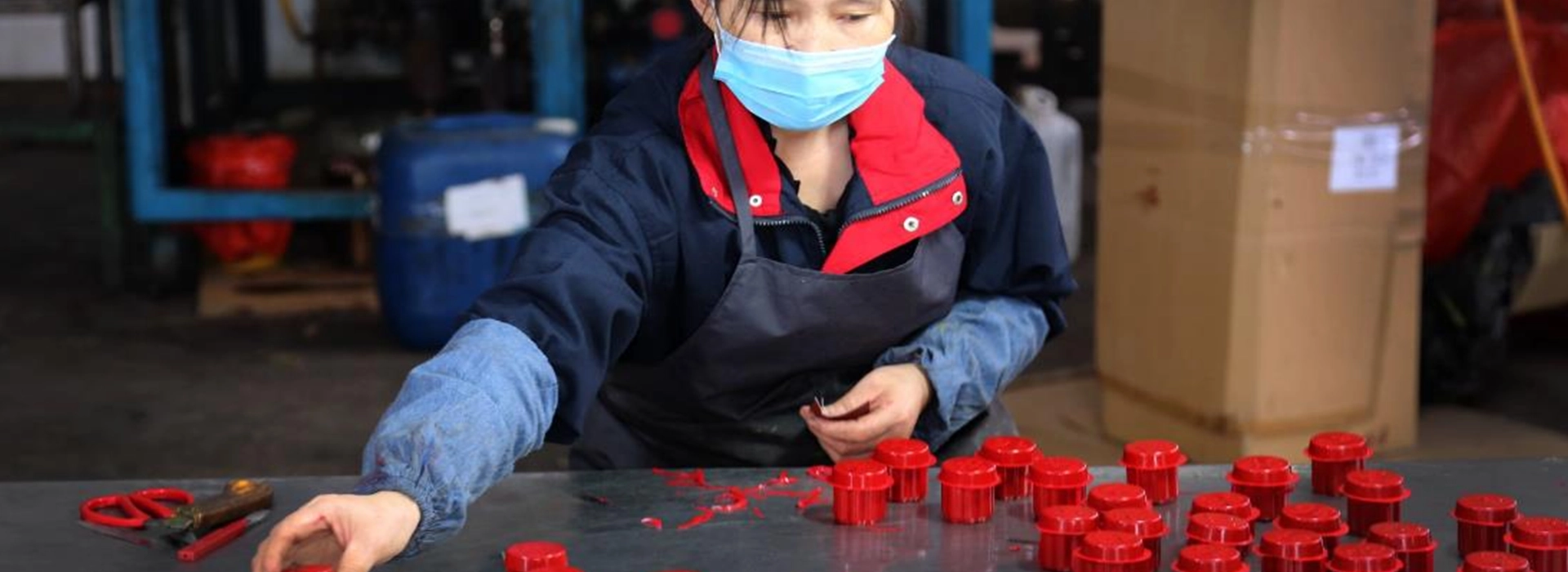
- Manufacturing flexibility — One-piece injection molding allows for a more structurally unified headgear shell, avoiding weak points at seams — a direction the mid-to-high end of the product category continues to move toward.
On the padding side, the industry is also shifting from single-density foam toward multi-layer composite structures, with softer and firmer foam zones placed around the temples, occipital region, and jawline to balance impact absorption with wearing comfort.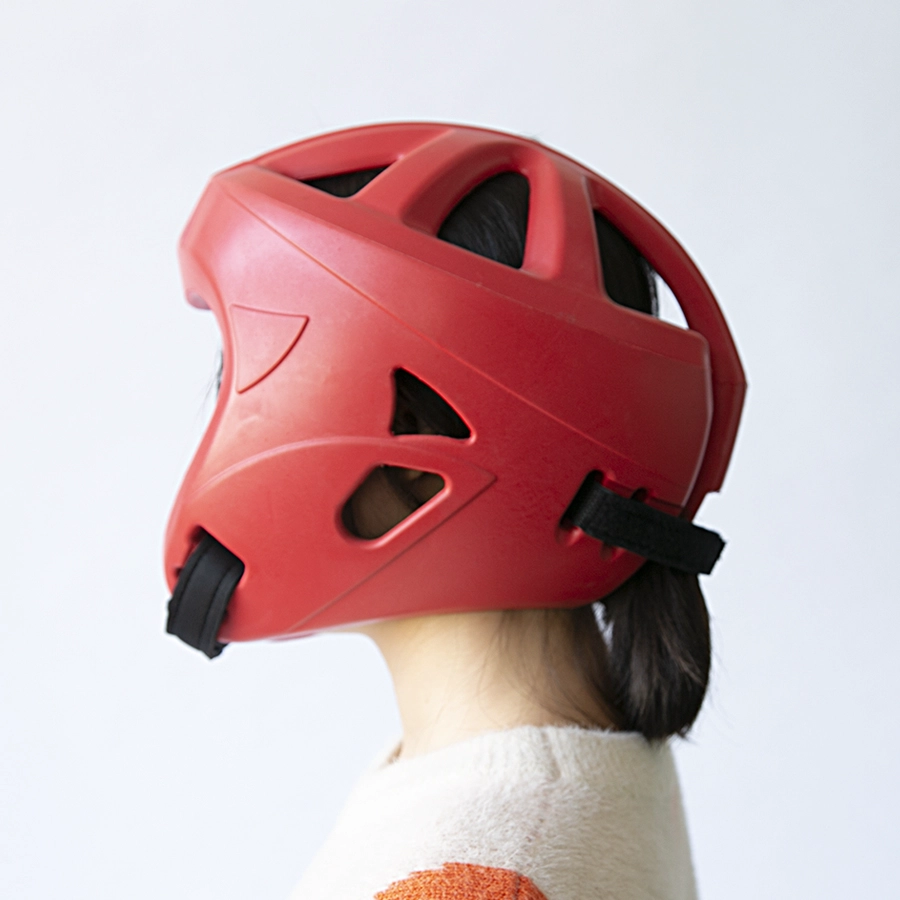
Certification Remains a Key Purchasing Consideration
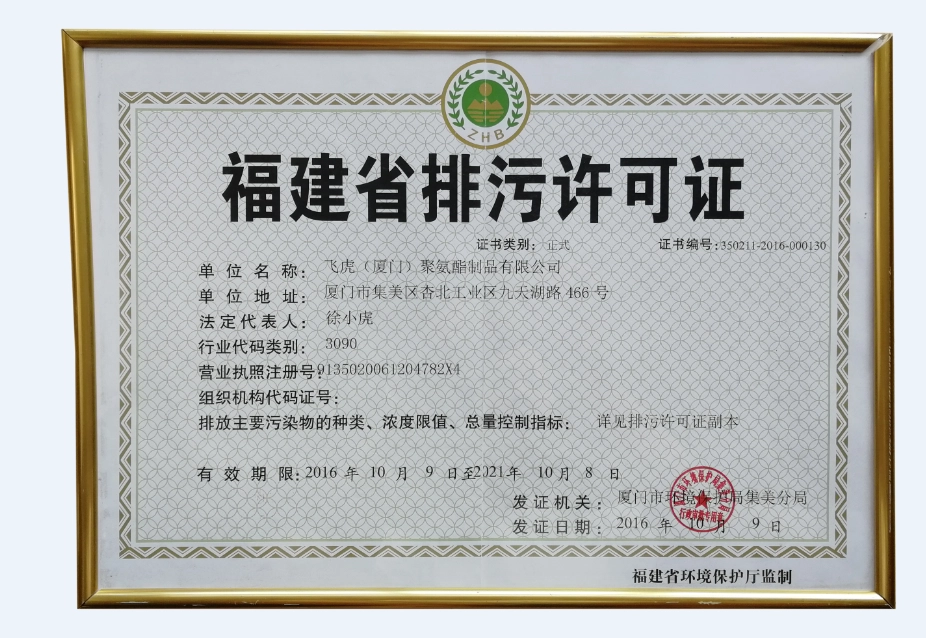
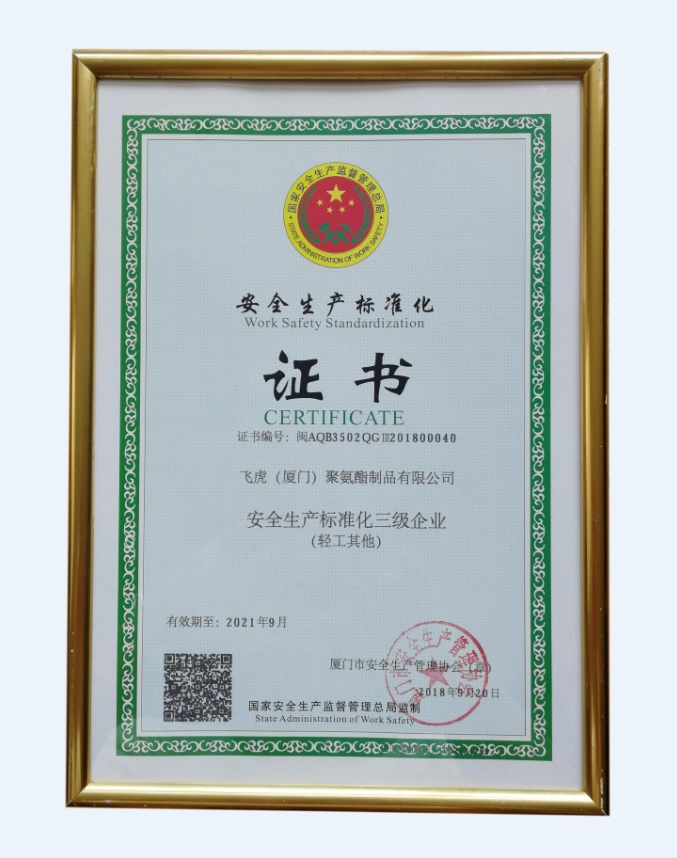
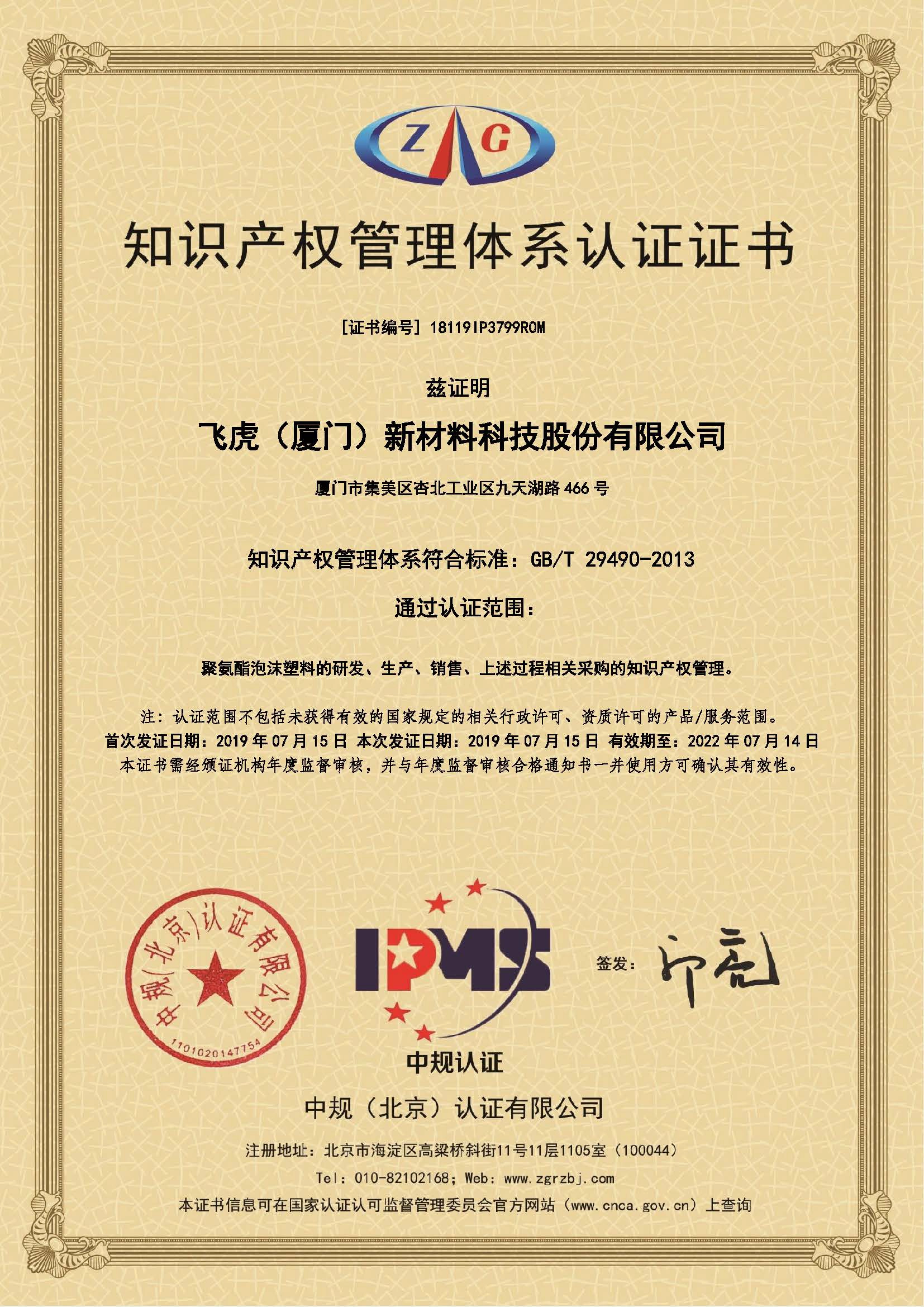
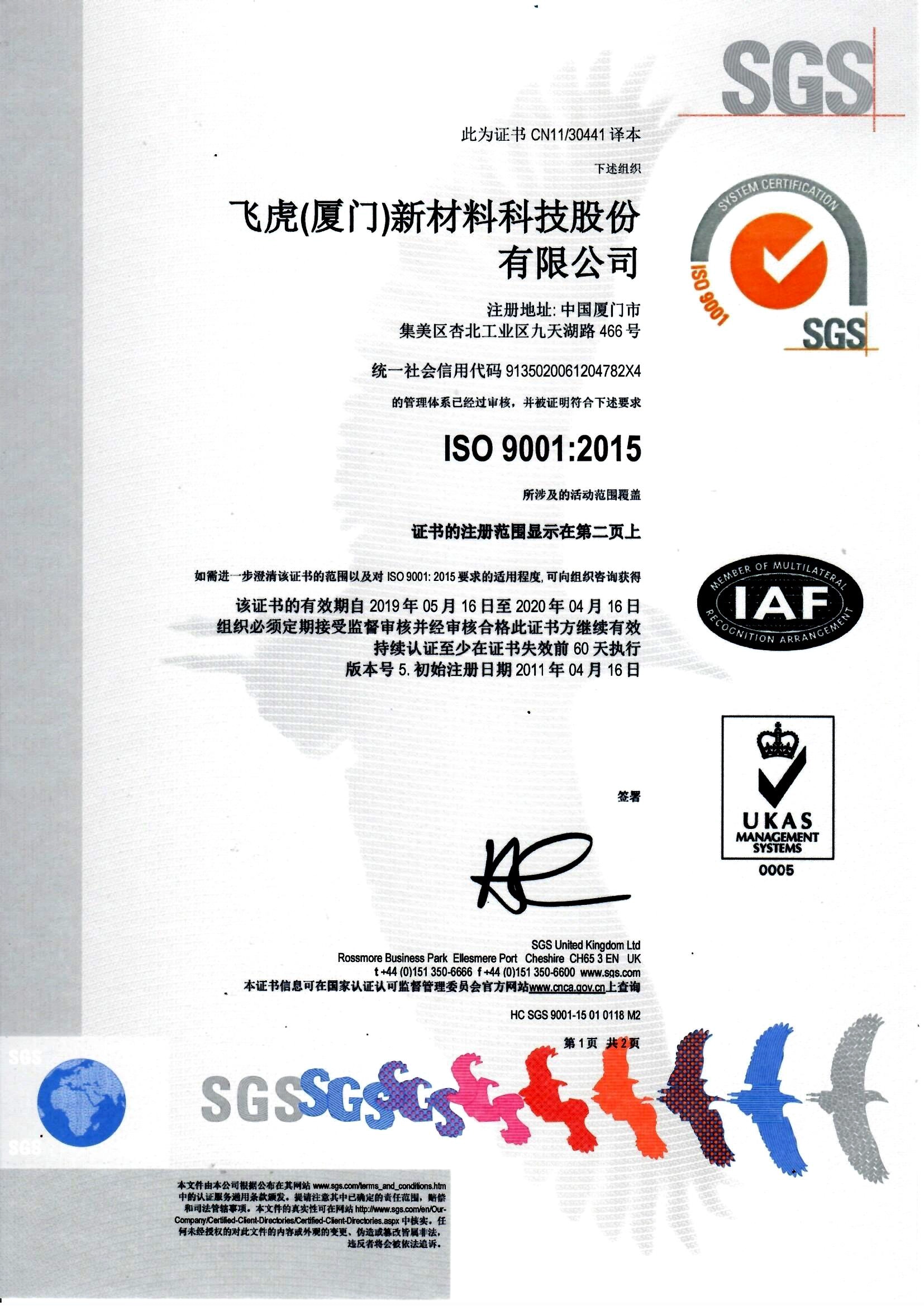
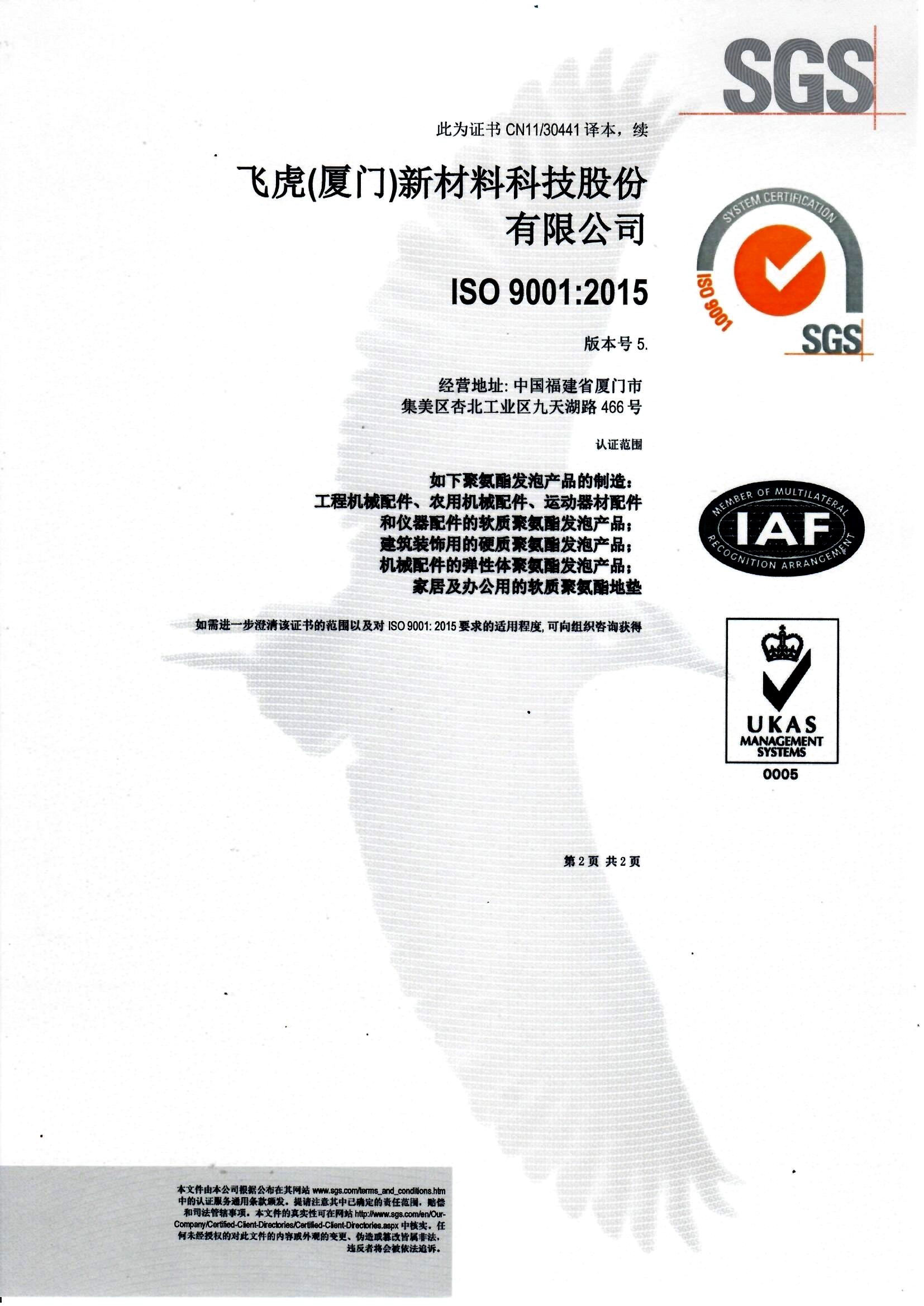
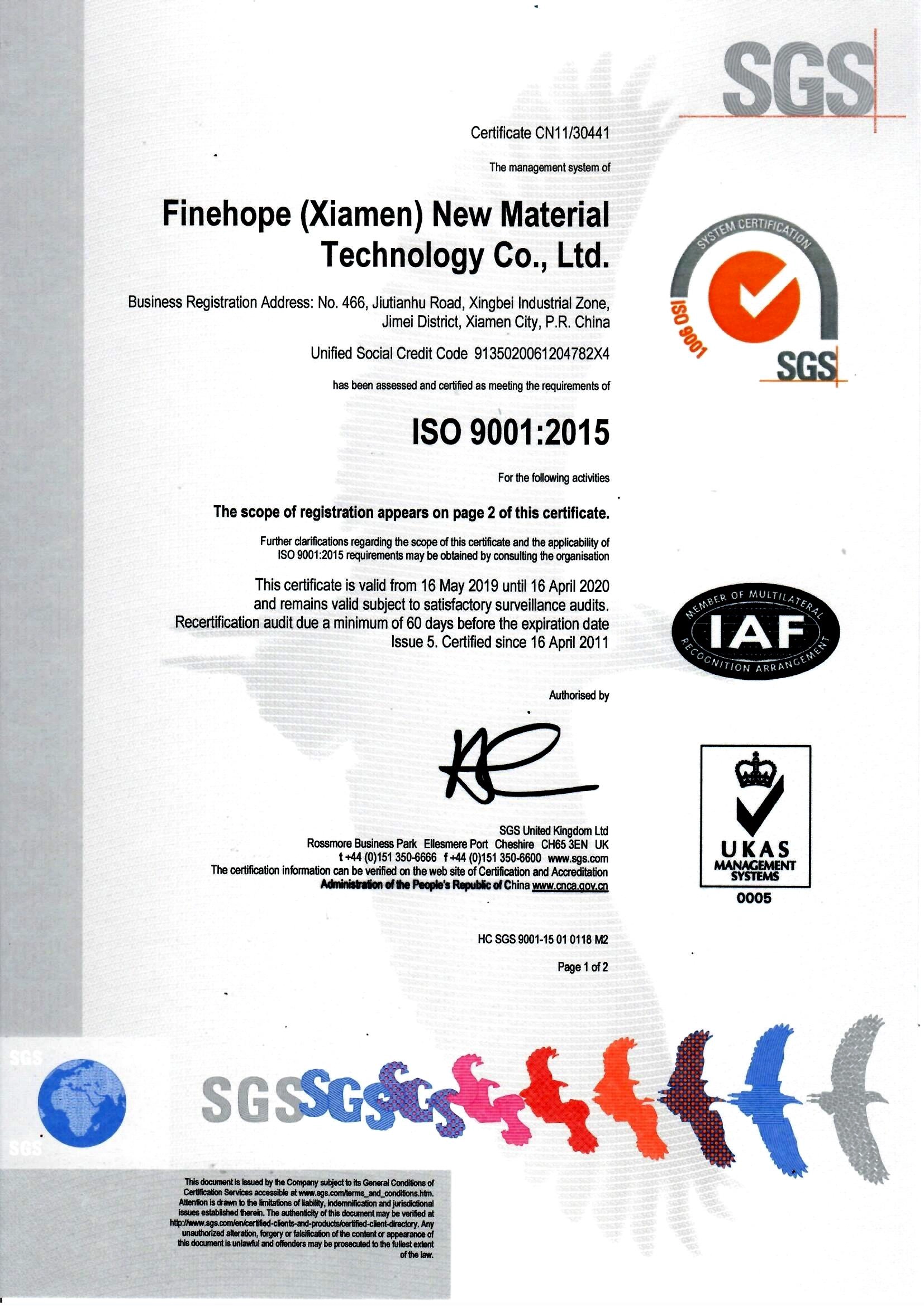
With no unified performance test standard in place, third-party certifications and quality documentation carry extra weight in supplier selection. Commonly referenced credentials in the international market include CE conformity assessment, EU Type-Examination Certificates, and ISO 9001 quality management system certification. None of these fully substitute for sport-specific performance testing, but they do give buyers a baseline assurance of material safety and manufacturing consistency.
For clubs, distributors, and national federations sourcing headgear, it's worth looking beyond appearance and price to verify a supplier's material composition, manufacturing process (such as whether one-piece molding is used), and current valid certifications — and to match padding structure to actual training intensity in order to reduce head injury risk.